
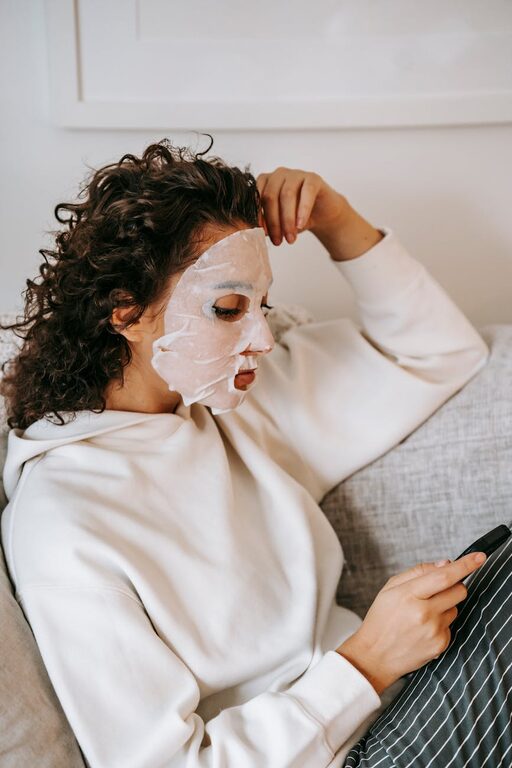
Taking time for self-care is essential for maintaining balance and well-being in our busy lives. However, caring for yourself doesn’t have to involve expensive products or spa visits. In fact, you can enjoy effective and soothing self-care practices right from the comfort of your home and on a budget. Here are some simple, low-cost ideas to help you relax, recharge, and feel your best.
Why Prioritize Self-Care at Home?
Self-care helps reduce stress, improve mood, and boost energy. When done regularly, it builds resilience and supports mental and physical health. At-home self-care is especially convenient because it:
– Saves money on treatments and outings
– Can be tailored to your preferences and schedule
– Creates a comfortable, personal environment
– Encourages mindfulness and presence within your own space
Easy and Affordable Self-Care Ideas
1. Create a Relaxing Bath Experience
A warm bath is a timeless way to unwind. You don’t need fancy bath bombs or oils; simple ingredients from your pantry can do the trick.
– Add a cup of Epsom salt or sea salt to the bath to soothe muscles
– Use a few drops of essential oils like lavender or eucalyptus for calming scents
– Light some candles or dim the lights to create a spa-like atmosphere
– Play soft music or nature sounds for extra relaxation
Soaking in a bath for 15-20 minutes can help ease tension and clear your mind.
2. Practice Mindful Meditation
Meditation is free and requires nothing more than a quiet spot and a few minutes of your time.
– Sit comfortably and focus on your breath
– If your mind wanders, gently bring attention back to breathing
– Start with 5 minutes and gradually increase as you feel comfortable
There are many free guided meditation apps and videos available online that can help you get started.
3. Journaling for Mental Clarity
Writing can be a powerful tool to process thoughts and emotions.
– Keep a simple notebook to jot down your feelings, goals, or gratitude lists
– Try morning pages—three pages of free writing each day—to clear your mind
– Use journaling prompts found online if you feel stuck
This practice promotes self-awareness and emotional release.
4. Enjoy Herbal Teas or Infused Water
Sipping a warm cup of herbal tea or flavored water nourishes your body and calms your senses.
– Herbal teas such as chamomile, peppermint, or rooibos have soothing properties
– Add slices of lemon, cucumber, or fresh herbs like mint to water for a refreshing twist
– Make this a mindful ritual by pausing to savor each sip without distractions
This simple habit supports hydration and relaxation.
5. Engage in Gentle Movement
Movement helps reduce stress hormones and lifts your mood.
– Try gentle yoga stretches or beginner routines available online
– Practice deep breathing combined with light stretching
– Take a leisurely walk around your neighborhood or in your yard
No special equipment is needed, just an open space and comfortable clothing.
6. Cook or Bake Something Simple
Preparing food can be both a creative and therapeutic activity.
– Choose a favorite recipe that feels comforting yet easy to make
– Focus on the process: chopping, stirring, smelling the aromas
– Enjoy the meal mindfully without distractions
Cooking at home also promotes healthy eating and can save money.
7. Declutter a Small Space
Tidying up can boost your sense of control and calm your mind.
– Pick a drawer, shelf, or corner that needs organizing
– Sort items into keep, donate, or discard piles
– Take your time and put things in order neatly
A clutter-free space often leads to a clutter-free mind.
8. Practice Deep Breathing Exercises
Deep breathing can calm the nervous system quickly and effectively.
– Try the 4-7-8 technique: breathe in for 4 seconds, hold for 7, exhale for 8
– Repeat this cycle 3 to 5 times when feeling stressed or anxious
– Combine with sitting comfortably and closing your eyes
Regular practice improves focus and reduces feelings of overwhelm.
Building a Self-Care Routine That Works
Consistency is key when it comes to self-care. Here are ways to incorporate these activities into your life:
– Schedule short self-care breaks daily or a few times a week
– Mix and match activities based on your mood and needs
– Keep simple supplies (journal, candles, tea) accessible and ready
– Avoid multitasking—make self-care a dedicated time for yourself
– Reflect regularly on which practices make the biggest positive impact
Final Thoughts
Self-care is not about indulgence or perfection; it’s about kindness to yourself and nurturing your well-being. You don’t need to spend much to feel relaxed and refreshed. Try these low-cost ideas at home and discover what brings you peace and joy. Remember, making self-care a priority supports a happier, healthier you every day.