
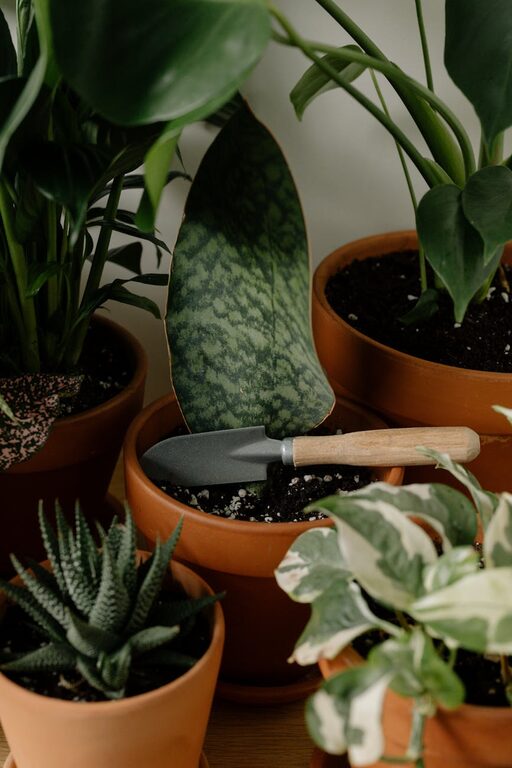
Bringing houseplants into your home is a wonderful way to add life, color, and a breath of fresh air to your living space. However, keeping these green friends healthy requires some knowledge and attention. Whether you are new to indoor gardening or looking to improve your plant care routine, this guide offers practical tips to help your houseplants thrive.
Understanding Your Houseplants’ Needs
Every plant species has unique requirements for light, water, soil, and humidity. The first step in keeping your houseplants healthy is understanding these needs.
Light Requirements
Plants vary widely in their light needs. Some, like succulents and cacti, thrive in bright, direct sunlight, while others, such as ferns and snake plants, prefer indirect or low light. To determine the ideal light for your plant:
– Check the tag or care label that came with your plant.
– Research the species online or in books.
– Observe your plant’s appearance; leggy growth or faded leaves may indicate insufficient light.
Position your plants accordingly, and consider rotating them periodically to ensure even light exposure.
Watering Wisely
Overwatering is one of the most common mistakes that can lead to root rot and other problems. On the other hand, underwatering causes wilting and dry leaves. To water your plants effectively:
– Check the soil moisture before watering. You can use a finger or a moisture meter.
– Water when the top inch of soil feels dry for most plants. Some plants like orchids require different schedules.
– Water thoroughly until excess drains out of the pot’s bottom, but never let plants sit in standing water.
– Adjust frequency according to the season; plants typically need less water in winter.
Choosing the Right Soil and Pots
Soil acts as the nutrient and water reservoir for plants. Using well-draining soil suitable for your plant type is essential. Specialist mixes are available for succulents, orchids, and other varieties.
Pots should have drainage holes to prevent waterlogging. For plants in decorative pots without drainage, consider placing a plastic pot inside or adding a layer of gravel for drainage.
Creating a Suitable Environment
Humidity and Temperature
Most houseplants, especially tropical varieties, prefer moderate to high humidity levels, around 40-60%. Dry indoor air, especially in heated homes during winter, can stress plants.
To increase humidity:
– Group plants together to create a microenvironment.
– Use a humidifier.
– Place trays of water near plants or mist leaves occasionally.
Keep plants away from drafts, heating vents, and sudden temperature changes. Most houseplants thrive between 60-75°F (15-24°C).
Maintenance and Troubleshooting
Regular Cleaning
Dust and debris can block light and pests can hide in leaf crevices. Wiping leaves gently with a damp cloth or giving the plant a shower helps keep foliage healthy and vibrant.
Fertilizing
Indoor plants benefit from regular feeding since nutrients in pots get depleted over time.
– Use a balanced liquid fertilizer every 4-6 weeks during the growing season (spring and summer).
– Reduce or stop fertilizing during dormant periods (fall and winter).
– Follow label instructions to avoid over-fertilization, which can damage roots.
Pest Control
Common indoor plant pests include spider mites, aphids, mealybugs, and scale insects. Early detection is key.
– Inspect plants regularly, especially under leaves.
– Remove pests with a soft cloth, insecticidal soap, or neem oil.
– Quarantine new plants before introducing them to your collection to prevent infestations.
Pruning and Repotting
Pruning helps remove dead or yellow leaves and encourages new growth. Use clean, sharp scissors or pruning shears.
Repotting is necessary when plants outgrow their containers or when soil becomes compacted:
– Choose a pot one size larger.
– Repot during the growing season.
– Refresh soil to provide new nutrients.
Additional Tips for Success
– Label your plants with their names and care instructions.
– Keep a watering schedule to maintain consistency.
– Learn about each plant’s signals for stress, like drooping or discoloration.
– Experiment with plant placement to find the best spot in your home.
– Have patience; plants take time to adjust and grow.
Conclusion
Keeping houseplants healthy is a rewarding experience that enhances your home environment. With the right care—understanding their needs, providing proper light and water, creating a comfortable environment, and regular maintenance—you can enjoy lush, thriving indoor greenery all year round. Remember, each plant is unique, so taking the time to learn about your specific varieties will lead to the best results.
Happy planting!