
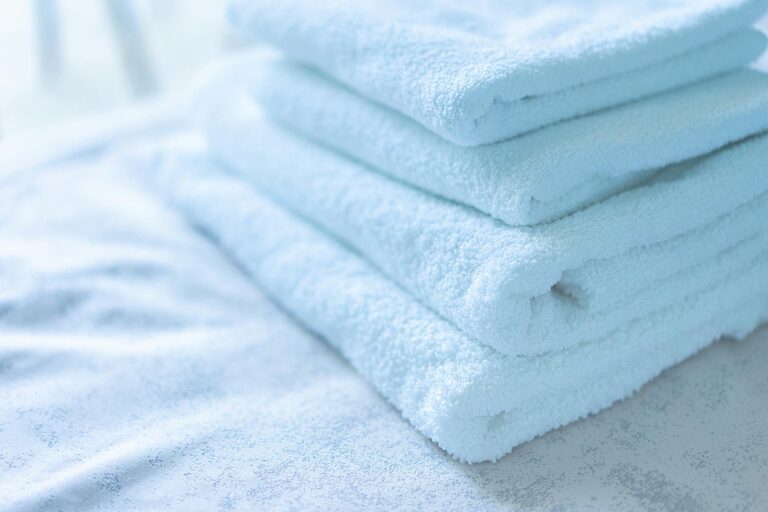
Keeping your towels fresh and fluffy not only enhances your daily comfort but also extends their life. Towels that feel soft and smell clean can make a big difference after a shower or bath. However, over time, towels can become rough, musty, or stiff if not cared for properly. If you’re wondering how to keep your towels looking and feeling great, this guide covers practical tips and best practices for towel care.
Why Towels Sometimes Lose Their Freshness and Softness
Before diving into tips, it helps to understand why towels might turn stiff or odor-prone:
– Residual detergent buildup: Excess soap that doesn’t rinse out can leave fibers stiff and cause dullness.
– Hard water minerals: Minerals in hard water can build up and affect towel texture.
– Over-drying: High heat from dryers can make towels brittle.
– Infrequent washing: Towels can harbor bacteria and moisture, leading to odor.
– Fabric softener overuse: Although it smells nice, fabric softener can coat fibers and reduce absorbency and fluffiness.
How to Keep Towels Fresh and Fluffy: Essential Tips
1. Wash Towels Properly
– Use the right amount of detergent: Too much detergent can leave buildup. Follow label instructions and consider using less if you have soft water.
– Choose warm water: Warm water helps remove body oils and residues better than cold water.
– Avoid fabric softeners: Instead, use white vinegar occasionally during the rinse cycle to naturally soften towels and remove residues.
– Add baking soda: Once a month, add half a cup of baking soda to your wash to deodorize and brighten towels.
2. Dry Towels Carefully
– Shake them out: Before transferring towels to the dryer, give them a good shake to fluff the fibers.
– Use a low heat setting: High heat can weaken fibers and cause stiffness. Use a medium or low heat cycle instead.
– Add dryer balls: Wool dryer balls or clean tennis balls help separate towel fibers while drying, which boosts fluffiness.
– Air dry when possible: Sunlight naturally kills bacteria, and air drying can help towels stay fresh. If drying indoors, hang them fully open for good air circulation.
3. Store Towels in a Fresh Environment
– Keep towels dry: Make sure towels are completely dry before folding or storing.
– Store in a ventilated space: Use linen closets or shelves with airflow to prevent mustiness.
– Add moisture absorbers: Cedar blocks or sachets with baking soda or dried herbs can keep storage areas smelling fresh.
4. Wash Towels Separately
To avoid lint transfer and ensure thorough cleaning, wash towels separately from clothes, especially garments that produce lint or have zippers and hooks.
5. Replace Towels When Needed
Even with good care, towels wear out over time. If your towels become very rough, thin, or have persistent stains or odors, it’s time to replace them.
Additional Tips for Specific Towel Types
For White Towels
– Avoid bleach, which can weaken fibers. Instead, use oxygen-based bleach for whitening.
– Add lemon juice to the wash for natural brightening.
For Colored Towels
– Wash in cold water to preserve colors.
– Use detergents formulated for colors.
Quick Routine Checklist for Fresher Towels
– Wash towels after 3–4 uses.
– Use the right detergent amount.
– Skip fabric softener; use vinegar rinse every few washes.
– Dry with low heat and dryer balls.
– Store in a dry, ventilated area.
Conclusion
Maintaining fresh and fluffy towels doesn’t require special products or complicated routines. With consistent care—proper washing, gentle drying, and mindful storage—you can enjoy soft, fresh towels for a long time. Try these tips and notice the difference after every wash! Your skin and your bathroom experience will thank you.
—
By following these simple steps, your towels can stay a luxurious part of your daily routine rather than becoming a source of frustration. Happy laundering!